


How Google SGE, ChatGPT Search, and AI Browsers are transforming B2B marketing: The ultimate master plan for brand visibility, GEO optimization, and campaign ROI in the generative AI era.
This article is an in-depth expert contribution from our content cluster. Discover the complete overview on our main page:GEO & AI Visibility →
From Click Traffic to Model Sovereignty: The New B2B Search Matrix
With the global rollout of ChatGPT Search, the expansion of Google AI Overviews across the DACH region, and the rise of agentic AI browsers like Arc and Comet, B2B marketing rules have shifted fundamentally. Relying strictly on legacy paid clicks or ten blue links surrenders up to 40% of B2B decision-makers to the zero-click funnel. In 2026, citation authority within generative language models (GEO) dictates brand leadership and campaign ROI.
- Paradigm Shift in Search: Traditional "Ten Blue Links" are losing relevance in B2B. Over 40% of all qualified inquiries in 2026 are answered directly inside AI interfaces like Google AI Overviews (SGE), ChatGPT Search, Perplexity, and agentic AI browsers.
- Symbiosis of GEO & Performance Marketing: Sustainable B2B marketing requires combining organic LLM citation capability (GEO) with data-driven paid agent campaigns. Relying purely on traditional SEO loses contact with B2B buyers in the "zero-click" funnel.
- 2026 B2B Action Plan: Deploy structured entity architectures, JSON-LD schema hierarchies, first-party Conversion APIs, and continuous "Share of Model Voice" (SoMV) tracking to secure market leadership across the DACH region.
- Introduction: The Transformation of Digital Search in 2026
- 1. The New Search Ecosystem: AI Search Engines, AI Browsers & Conversational AI
- 2. Content Strategy for AI Search: Visibility Beyond Keywords
- 3. Rethinking Performance Marketing: Ads & Budgets in the AI Era
- 4. Technical SEO Requirements & Data Infrastructure for the AI Era
- 5. AI Search Readiness Framework: The 8-Point B2B Website Audit
- 6. Expert Tips: The 5-Step Master Plan for B2B Decision-Makers in 2026
- Conclusion & Outlook: Securing Market Leadership in the Generative Search Era
Introduction: The Transformation of Digital Search in 2026
The digital landscape for B2B enterprises in the DACH region is undergoing its most profound transformation since the invention of the commercial search engine. What started a few years ago as experimental text generation has evolved into the primary interface between human information demand and corporate solutions in 2026. B2B procurement managers, IT directors, and C-level executives no longer search for isolated keywords ("CRM software SMEs"). Instead, they ask complex, multi-stage questions to conversational systems: "Which ISO-27001-certified CRM platforms with n8n integrations offer GDPR-compliant hosting in Germany for 150 sales representatives?"
Answers to these queries are no longer presented as ten blue links requiring manual clicks. Instead, systems like Google SGE (AI Overviews), ChatGPT Search, Perplexity AI, and specialized agentic browsers (such as Arc, Opera One, or new AI task agents) aggregate relevant information from across the web in seconds into a concise, actionable synthesis. As documented in our guide Click-Through Rate Drop of 34%: Why Classic SEO Falls Short in 2026, this user behavior has triggered a dramatic shift in web traffic patterns.
The B2B Reality in 2026
In a "zero-click" world, purchasing decisions and brand valuations happen before a user ever sets foot on your domain. If your company is not cited as a recommended vendor or primary source in AI syntheses, you simply do not exist in the modern buyer's consideration set.
This ultimate guide serves as an integrative master plan for executives, CMOs, and growth managers. It unites the previously isolated disciplines of GEO (Generative Engine Optimization), AI-SEO, and modern Performance Marketing into a coherent overall strategy. It outlines how to allocate budgets with maximum efficiency, protect brand visibility, and build campaign ROI on a resilient foundation in the generative AI era.
1. The New Search Ecosystem: AI Search Engines, AI Browsers & Conversational AI
To successfully adapt your marketing strategy, you must understand the underlying mechanics of the new search landscape. In 2026, search is divided into three primary channels that complement or replace traditional engines:
Generative Search Engines (Google AI Overviews / SGE & Bing Copilot)
Google handles queries by default via hybrid RAG (Retrieval-Augmented Generation) pipelines. Search results combine classic index signals with real-time LLM syntheses. AI Overviews dominate the entire first viewport.
Conversational Answer Engines (ChatGPT Search, Perplexity AI, Claude)
Standalone AI platforms acting as personal research assistants. They utilize live web crawling (GPTBot, OAI-SearchBot, PerplexityBot) and compress complex B2B requirements into direct comparisons, tables, and recommendation lists.
Agentic AI Browsers (Arc, Comet, Chrome AI Task Agents)
Browsers that autonomously visit target websites, fill out forms, compare products, and draft summaries on behalf of users. AI Browser Marketing requires websites to be seamlessly readable for machine agents.
From "Search-to-Click" to "Search-to-Answer": Impact on B2B Funnels
Classic digital marketing relied on a straightforward promise: create content for a target keyword, rank in positions 1 to 3, and drive organic traffic to convert via landing page forms. In 2026, this linear model is broken. When Google SGE or ChatGPT resolves the decision-maker's query directly inside the UI, the need to visit external websites plummets.
This gives rise to Zero-Click Search. Organic click-through rates (CTR) on positions 1-3 for informational and comparative queries have dropped by 30% to 40%. However, this does not mean SEO or content marketing are dead. It means value creation has shifted to an earlier stage in the funnel: getting cited directly inside the AI answer generation.
Comparison: Traditional Search Funnel (2020) vs. Agentic Search Funnel (2026)
- Search Query: User types short keyword ("ERP software comparison").
- SERP Click: User clicks on Google ranking position 1 or 2.
- On-Page Research: User reads a 2,000-word blog post on the vendor website.
- Form Conversion: User downloads a whitepaper to submit contact details.
- Sales Outreach: Sales team contacts the lead after 24-48 hours.
- Conversational Query: User submits detailed requirements prompt to AI agent.
- LLM Synthesis: AI evaluates 50 web sources and lists top 3 vendors with citations.
- Brand Pre-Validation: 80% of decision-making happens within the AI synthesis.
- High-Intent Click: User clicks directly to the cited vendor source.
- Direct Agent Interaction: AI agent books a discovery call via scheduling API or chat.
Brands appearing as recommended vendors in AI answers enjoy exceptionally high conversion rates on residual website traffic. Brands omitted from AI syntheses lose both clicks and mindshare.
2. Content Strategy for AI Search: Visibility Beyond Keywords
To be featured in generative answers, optimizing keyword density or padding article length is no longer effective. Large Language Models (LLMs) do not index web pages like legacy crawlers; they process language as high-dimensional vectors and semantic entities.
Entity and Intent Optimization: How LLMs Structure Knowledge
Cognitive search engines evaluate content based on entity density and contextual completeness. An entity is a clearly defined concept (a brand name, a standard like ISO 27001, a software framework like Astro or Next.js, or a methodology). When your content covers a B2B topic, the LLM checks whether all logically related sub-entities and technical relationships are represented accurately.
Actionable steps for entity-optimizing your B2B content:
E-E-A-T in the AI Era: Protecting Against Generic Content Floods
With the web flooded by low-quality AI-generated copy since 2024, search engines and AI developers have tightened quality thresholds. As explained in our article E-E-A-T in the AI Era: Demonstrating Real Expertise, AI engines demand undeniable evidence of Experience, Expertise, Authoritativeness, and Trustworthiness (E-E-A-T).
LLMs specifically verify whether an article contains proprietary data, real-world case studies, verified expert authors, and authentic client reviews. Adhere to these principles when crafting content:
First-Party Proprietary Data
Publish original benchmark studies, anonymized client implementation metrics, and real performance data. Proprietary figures cannot be hallucinated or duplicated and force AI systems to cite your brand.
Author Entities & Schema.org Profiling
Equip articles with structured author cards linked via Schema.org Person markup to LinkedIn profiles, conference appearances, and industry publications.
Multi-Channel Brand Citation Signals
AI models crawl beyond your domain to verify brand mentions across Reddit, LinkedIn, trade publications, YouTube, and Wikipedia. Build an aligned, high-trust digital footprint.
Semantic Markup & Structured Data: Machine Language for AI
Structured Schema.org data is the foundational bridge connecting unstructured HTML copy to the databases of AI search engines. Equipping your B2B pages with rich JSON-LD eliminates guesswork for LLM parsers.
A comprehensive B2B tech article in 2026 should deploy four machine-readable schemas in a balanced 2x2 architecture:
1. BlogPosting & TechArticle
Structured metadata for content, verified author entities (Person), publication dates, revision cycles, and publisher signals (Organization) for AI crawlers.
2. FAQPage & Q&A Synthesis
Precise question-and-answer pairs in machine-readable JSON-LD format, allowing Google AI Overviews and Perplexity to lift direct answer snippets.
3. HowTo & Action Roadmaps
Step-by-step procedural blueprints for technical migrations, workflow architectures, and implementation sequences evaluated by agentic task runners.
4. OfferCatalog & Service
Structured representations of service packages, deliverables, price bands, and SLAs for automated procurement agents and enterprise buying bots.
3. Rethinking Performance Marketing: Ads & Budgets in the AI Era
The transformation of search extends well beyond organic rankings. Paid advertising campaigns (performance marketing) across Google Ads, Meta Ads, LinkedIn Ads, and new AI search environments are undergoing a complete overhaul. Managing performance budgets under 2020 rules in 2026 burns valuable ad spend.
Adapting Google Ads & Meta Ads: Ad Placement Inside AI Interfaces
Google has embedded commercial ad placements directly into AI Overviews. Instead of standard text ads atop SERPs, paid placements now trigger contextually within the synthesized AI response body or as sponsored solutions during real-time answer generation.
Conversational Keyword Intenting
Exact match keywords continue to lose search volume. B2B performance teams must align campaigns to long-tail conversational intents, pairing Broad Match with Smart Bidding.
Asset-Based Dynamic Creatives
AI interfaces demand modular ad assets. Google and Meta assemble headlines, visual cards, vector assets, and micro-video clips in real time to match the exact context of the user's prompt.
Direct Response Chat Extensions
Ads no longer route exclusively to static form landing pages. Instead, they open interactive dialogue channels with branded AI agents (such as our Hermes AI Agent).
Interactive Benchmark: Performance Levers in AI Search 2026
Comparing traditional click campaigns against modern GEO and conversational strategies demonstrates a profound impact on lead quality and market penetration. Explore the core metrics in this interactive widget:
Attribution, Measurement & Conversion Tracking in a Zero-Click World
One of the steepest hurdles for B2B marketers in 2026 is the erosion of last-click attribution models. When a prospect researches your brand for weeks via ChatGPT, reviews summaries in Google SGE, and finally navigates directly to your homepage to book an audit, traditional web analytics misclassifies the transaction as "Direct Traffic" or "Brand Search."
To accurately measure the return on ad spend and content investments, businesses must adopt new indicators:
Share of Model Voice (SoMV)
Percentage of relevant B2B prompts where ChatGPT, SGE, or Perplexity names your brand among the top three recommendations.
Visibility KPITracked via weekly programmatic prompt monitoring APIs.
Citation Footprint Rate (CFR)
Frequency with which your whitepapers, articles, and solution pages are directly linked as citable source credentials in LLM answers.
Authority KPIReflects depth of LLM index penetration with your company data.
Modern performance marketing also mandates First-Party Server-Side Conversion APIs (CAPI) for Google Ads and Meta. With third-party cookies eliminated, conversions must be dispatched server-side in compliance with GDPR to feed clean training signals back into automated bidding algorithms.
Conversational Commerce & Voice Search Optimization
As voice-driven assistants and autonomous tools expand across B2B workplaces, discovery increasingly occurs inside conversational dialogues (Conversational Search). When a purchasing manager instructs an AI agent: "Identify the top three IT service firms in Frankfurt specializing in cloud migration and schedule an introductory consultation," the agent queries structured models and APIs.
Enterprises must formulate content assets for succinct, authoritative spoken delivery and expose structured booking endpoints for bot-assisted reservations.
4. Technical SEO Requirements & Data Infrastructure for the AI Era
Technical SEO is no longer a checklist routine; it is the prerequisite for AI crawlers to process your content within compute constraints. AI search engines operate with finite computational resources. Sites plagued by high latency or bloated code are swiftly dropped from crawler queues.
Core Web Vitals & Edge-Native Rendering as AI Ranking Signals
Google and LLM crawlers assess technical responsiveness more aggressively than ever. In particular, INP (Interaction to Next Paint) and LCP (Largest Contentful Paint) determine whether an automated AI browser can evaluate your page within milliseconds.
Modern B2B architectures rely on edge-native frameworks like Astro v7 or Next.js, serving pre-rendered static HTML directly from the closest CDN point of presence. As detailed in our analysis Green IT & Astro: Maximum PageSpeed, eliminating unnecessary client-side JavaScript reduces crawling latency for AI bots by up to 80%.
Crawlability, Robot Protocols & AI-Specific Access Control
Your robots.txt file requires deliberate policy decisions: which AI crawlers should access your domain? Blocking AI crawlers prevents unauthorized scraping, but simultaneously eliminates your brand from appearing in conversational answers.
User-agent: GPTBot & OAI-SearchBot
ChatGPT Search & OpenAI
Controls index access for ChatGPT training and live web retrieval. Essential for GEO brand exposure.
User-agent: PerplexityBot
Perplexity AI Answer Engine
Crawls live web sources to synthesize structured citations. Essential for enterprise research journeys.
User-agent: Google-Extended
Google Gemini Training
Authorizes Google to utilize domain data for training foundational models, separate from general Googlebot indexing.
Machine-Readable Specifications: llms.txt & llms-full.txt
A leading technical standard in 2026 is hosting standardized /llms.txt and /llms-full.txt files at your website's root directory. Complementing traditional sitemap.xml files, these endpoints deliver concise markdown summaries of core service offerings, technical specifications, and key publications—engineered for rapid ingestion by LLMs and enterprise RAG pipelines.
5. AI Search Readiness Framework: The 8-Point B2B Website Audit
To assess how effectively your digital presence meets the requirements of AI search engines, agentic browsers, and modern performance campaigns, our engineers created this AI Search Readiness Audit Framework. Use these eight benchmarks to evaluate your technical and strategic maturity.
AI Search Readiness Audit (8 Criteria for B2B Market Leadership)
BlogPosting, FAQPage, Organization, and Service schemas properly structured and validated?
robots.txt): Are GPTBot, PerplexityBot, and Google-Extended deliberately authorized rather than globally blocked?
/llms.txt file active, and is site navigation fully parseable by AI agent browsers?
Evaluating Your Audit Results:
7–8 Criteria Passed: Excellent (AI-Native Leader)
Your brand occupies prime real estate in the AI search landscape, driving superior campaign efficiency.
Target StateFull citation sovereignty across ChatGPT, SGE & Perplexity.
4–6 Criteria Passed: SME Average (Risk Zone)
Foundation exists, but you are losing valuable zero-click market share to agile competitors.
Optimization NeededRisk of traffic and lead erosion to AI-native competitors.
0–3 Criteria Passed: Action Required (High Risk)
Your digital infrastructure is trapped in a 2020 paradigm. Comprehensive technical & content refactoring is required.
Critical RiskUrgent realignment of SEO, data schemas & paid ad strategy needed.
6. Expert Tips: The 5-Step Master Plan for B2B Decision-Makers in 2026
To future-proof your marketing and sales infrastructure, we recommend implementing this 5-step roadmap over the next 90 days:
-
Step 1: Status Quo Audit & Share of Model Voice Baseline
Conduct systematic prompt testing across ChatGPT Search, Perplexity, and Google AI Overviews for your primary B2B keywords. Document citation rates compared to key competitors.
-
Step 2: Content Refactoring for Entities & E-E-A-T
Overhaul your top 20 high-intent pages. Replace generic copy with proprietary benchmark data, structured product comparison tables, definitive statements, and verified author profiles.
-
Step 3: Deploy Technical GEO & Machine-Readable APIs
Implement comprehensive Schema.org JSON-LD (including FAQPage and Service schemas), optimize Core Web Vitals to Astro/Next.js benchmarks, and publish an
/llms.txtfile. -
Step 4: Upgrade Performance Ads to Conversational Bidding & CAPI
Transition Google and Meta campaigns to Broad Match targeting conversational intents. Configure Server-Side Conversion APIs (CAPI) and deploy AI chat assistants as high-converting landing page alternatives.
-
Step 5: Establish Continuous Agentic Monitoring
Automate tracking of brand citations in LLM responses. Refine messaging and technical assets monthly in response to AI model updates and evolving crawler behaviors.
Conclusion & Outlook: Securing Market Leadership in the Generative Search Era
The transformation of search via AI engines, agentic browsers, and conversational interfaces is not a temporary trend—it is the baseline reality of B2B marketing in 2026. Companies that combine Generative Engine Optimization (GEO, see also our GEO Optimization services), robust technical setups, and authentic expertise (E-E-A-T) turn zero-click search into a formidable competitive advantage.
B2B leaders acting today will secure dominant positions inside ChatGPT, Perplexity, and Google SGE syntheses while permanently driving down Customer Acquisition Costs (CAC).
Ready to Optimize Your Website for AI Search Engines & AI Browsers?
Our team will analyze your digital infrastructure, design a tailored GEO & performance marketing strategy, and lead technical execution.
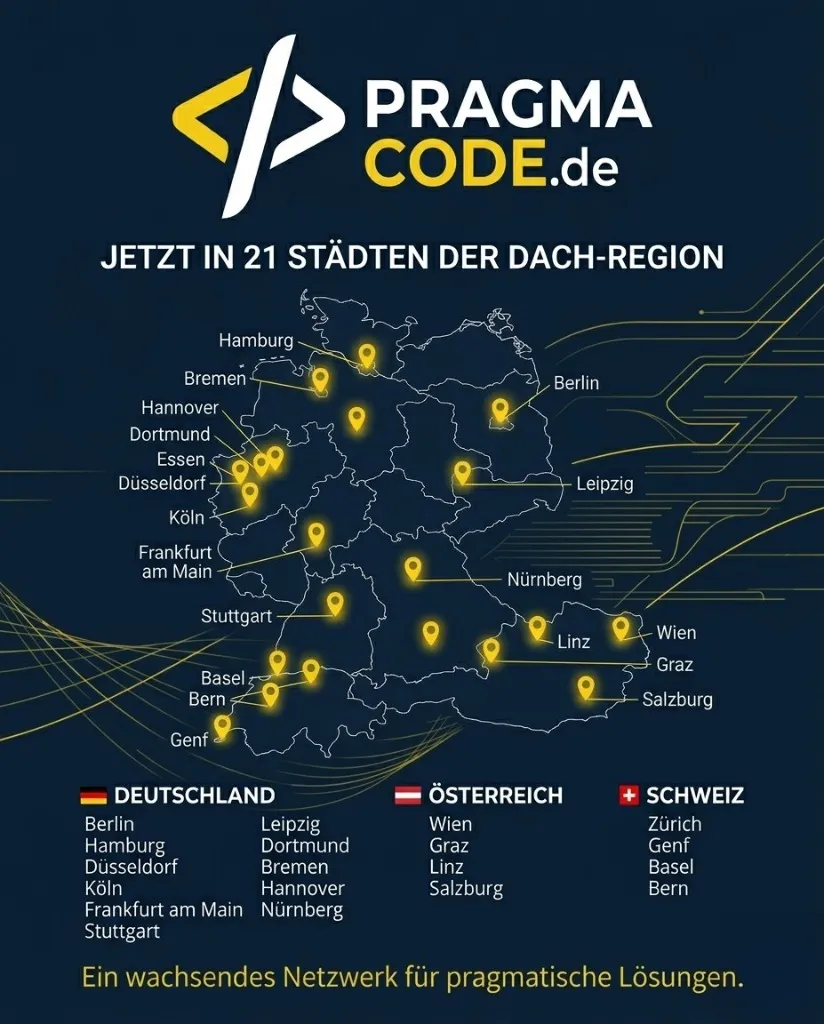
Schedule a Free Initial ConsultationOur Regional Expertise
We are your digital partner – regionally anchored and successfully scaling across borders.
Have a vision?
Let's check together how we can make your idea take flight.
Book your free strategy call nowExtended Specialized Glossary
Conversational Search
Direct user interaction with AI models and chatbots using natural language for information gathering and purchase preparation instead of traditional keyword searches.
AI Browser Marketing
The targeted optimization of marketing messages and technical web content for agentic AI browsers that independently parse, evaluate, and summarize websites.
Generative Engine Optimization (GEO)
The strategic optimization of digital content to ensure brands are cited as trusted response sources by generative AI models like ChatGPT, Perplexity, and Google SGE.
Zero-Click Search
A search query where the user gets all required information directly on the search results page or inside the AI chat interface without clicking to an external destination.
SGE (Search Generative Experience)
Google's AI-driven search interface (AI Overviews) that uses generative language models to directly synthesize search results with enriched source citations.
